Connector molding for Cable Assemblies
Connector molding, also known as connector over-molding, is a critical sub-process within cable assemblies manufacturing. It specifically refers to the over-molding of a injection material directly covering the back of an electrical connector and the cable’s entry point, creating a single, unified, and robust structure.
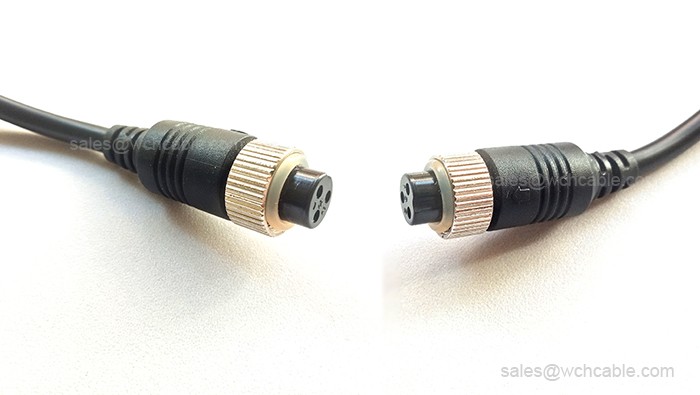
Procedures of Connector Molding
Unlike adding a separate strain relief boot, molding creates a permanent, monolithic bond between the cable jacket, individual wires, and the connector housing. The process is precise and involves:
- Preparation
The cable is cut, stripped, and the wires are terminated (soldered or crimped) onto the connector’s internal contacts. The connector is often pre-assembled into its base metal or plastic shell.
- Fixturing
This prepared “sub-assembly” is meticulously placed into a custom, two-part precision mold tool. The tool has cavities that exactly define the final shape of the overmold. Critical areas like the connector’s mating face are sealed off to prevent any plastic intrusion.
- Injection
The mold closes. A specific thermoplastic or thermoset material (e.g., polyurethane, PVC, TPE) is heated to a liquid state and injected under high pressure into the mold cavity, surrounding the back of the connector and the cable exit.
- Curing & Ejection
The material cools and solidifies (or cures) rapidly, physically fusing with the cable jacket and connector body. The mold opens, and the finished part is ejected.
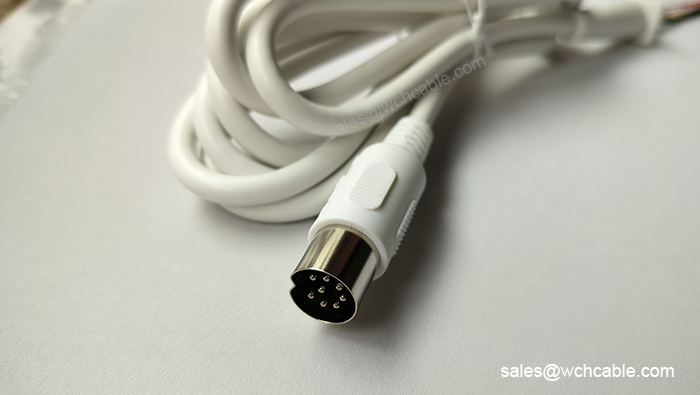
Advantages of Connector Molding
Connector molding is applied to solve fundamental points of failure in cable assemblies.
- It mechanically distributes any bending, pulling, or twisting forces over a large area. This prevents stress from concentrating on the delicate electrical terminations, which is the #1 cause of connector failure.
- Connector molding forms a complete, gap-free seal around the cable-conductor junction and the back of the connector shell. It provides an excellent barrier against ingress of moisture, dust, oils, and chemicals. This is essential for achieving high IP (Ingress Protection) or UL ratings for harsh environments, including industrial, automotive, and outdoor application.
- Connector molding prevents the connector from loosening, rotating, or disassembling under vibration or frequent mating and unmating—a common requirement in automotive and aerospace applications.
Material Selection
The material selection for connector molding is a balance of properties.
- TPU (Thermoplastic Polyurethane): Most common. Excellent abrasion resistance, flexibility, and chemical/oil resistance.
- PVC (Polyvinyl Chloride): Cost-effective, good flexibility, and flame retardancy.
- TPE (Thermoplastic Elastomer): Superior softness and elasticity for great “hand feel.”
- Thermosets (e.g., some rubbers): Used for extreme temperature or chemical resistance.
The over-mold material must chemically or mechanically adhere to both the cable jacket and the connector housing. Poor adhesion is a critical failure point. Material suppliers formulate specific grades to bond to common substrates.
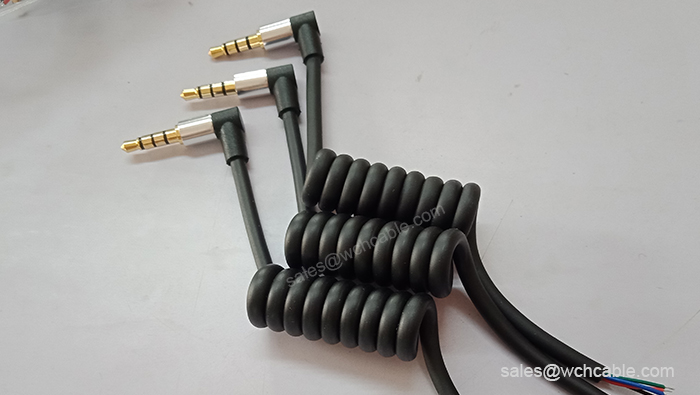
Applications
Connector molding is very common in applications demanding reliability:
- Industrial Automation:
Sensor/actuator cables (M8, M12 connectors) in IP67/IP69K versions.
- Medical Devices:
Cables for handheld diagnostics that require frequent disinfection.
- Consumer Electronics:
Ruggedized USB, HDMI, or power cords.
- Automotive:
In-vehicle networking (e.g., Ethernet, FAKRA), and sensor connectors.
- Outdoor/Portable Equipment:
Power tool batteries, marine electronics, LED lighting.
In summary, connector molding is a fundamental manufacturing procedure that transforms a vulnerable electrical connection into the most durable and sealed part of the cable system, enabling reliability in demanding mechanical and environmental environment.