Custom shape molding: Designing the Interface
Custom-shape molding is the advanced process of molding a uniquely designed, non-standard shell of molding compound material, such as PVC or polyurethane, around a cable connection. It moves beyond simple strain relief into the realm of functional product design, where the molding itself becomes a critical user interface and mechanical component.
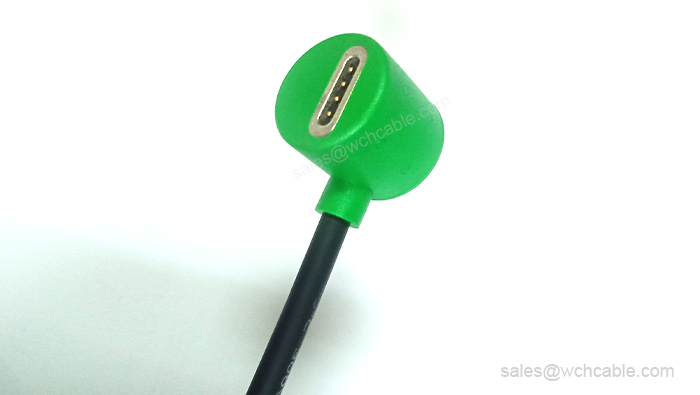
Custom shape molding, more than just a Blob
While standard overmolds are often simple cones or rectangles, custom shape molding is driven by intentional design to solve specific challenges. It treats the overmold as an integrated electromechanical part.
Key Drivers for Choosing a Custom Shape:
- Ergonomics & Human Interaction:
- Purpose: To create an intuitive, comfortable, and secure grip for the user.
- Examples: Finger contours, thumb grips, textured surfaces, or flanged edges that provide leverage for mating/unmating connectors in tight spaces. Common in hand-held medical devices, tool connectors, or frequently plugged/unplugged consumer cables.
- Mechanical Integration & Locking:
- Purpose: To physically secure the cable assembly to the host device or enclosure.
- Examples: Designing built-in clips, latches, wings, or screw bosses that snap or fasten directly into a panel, eliminating the need for separate hardware and preventing accidental disconnection. This is critical in automotive, aerospace, and industrial control systems.
- Environmental Sealing & Directional Protection:
- Purpose: To provide targeted protection where it’s needed most.
- Examples: Creating asymmetrical shapes with extended hoods or “drip loops” to shield the connector from dust or fluids coming from a specific direction. Or, molding complex gasket geometries directly onto the assembly for a perfect seal against irregular surfaces.
- Space Optimization & Routing:
- Purpose: To solve packaging challenges inside a product.
- Examples: Designing low-profile, angled, or offset overmolds that navigate around internal components, follow chassis contours, or ensure the cable exits the device at the precise required angle for optimal strain relief and bend radius.
- Branding & Foolproofing:
- Purpose: To enhance product identity and prevent user error.
- Examples: Incorporating a distinctive shape, color, or raised tactile markers (like a Braille-like dot) that allows users to identify the correct connector by feel alone, especially in low-visibility or crowded port situations. The shape itself becomes part of the brand signature.
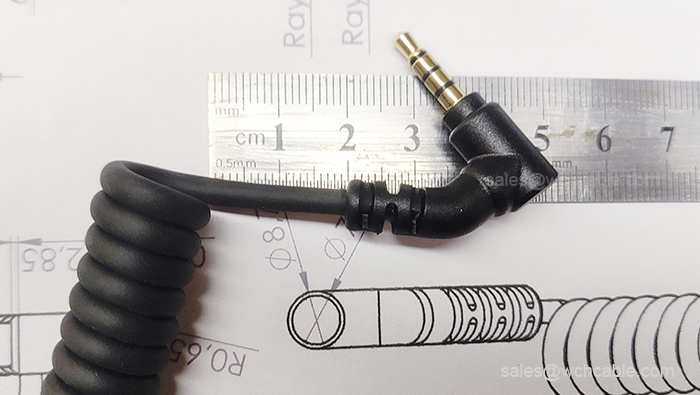
The Process & Collaboration:
Achieving a successful custom overmold requires a deep collaboration between the cable assembly manufacturer and the client’s design engineers early in the product development cycle. It involves:
- Conceptual Design: Defining the functional and aesthetic goals.
- 3D Modeling & Prototyping: Creating models to test form, fit, and function.
- Advanced Tooling: Manufacturing precision, multi-part molds that can form undercuts and complex geometries.
- Material Selection: Choosing an elastomer with the right feel, flexibility, chemical resistance, and UL/ISO certifications.
In Essence:
Custom shape molding transforms the passive cable assemblies into an active design solution. It is the deliberate use of material and form to enhance usability, ensure reliability in demanding applications, and seamlessly integrate the cable assemblies into the final product’s mechanical and user-experience ecosystem. It is where cable manufacturing meets industrial design.